Vietnam's Digital Infrastructure Strategy Expands the Outlook for Fiber and Data Connectivity
Government strategy for fiber access, 5G, international cable routes and data centres is broadening Vietnam's demand for reliable optical and digital infrastructure.
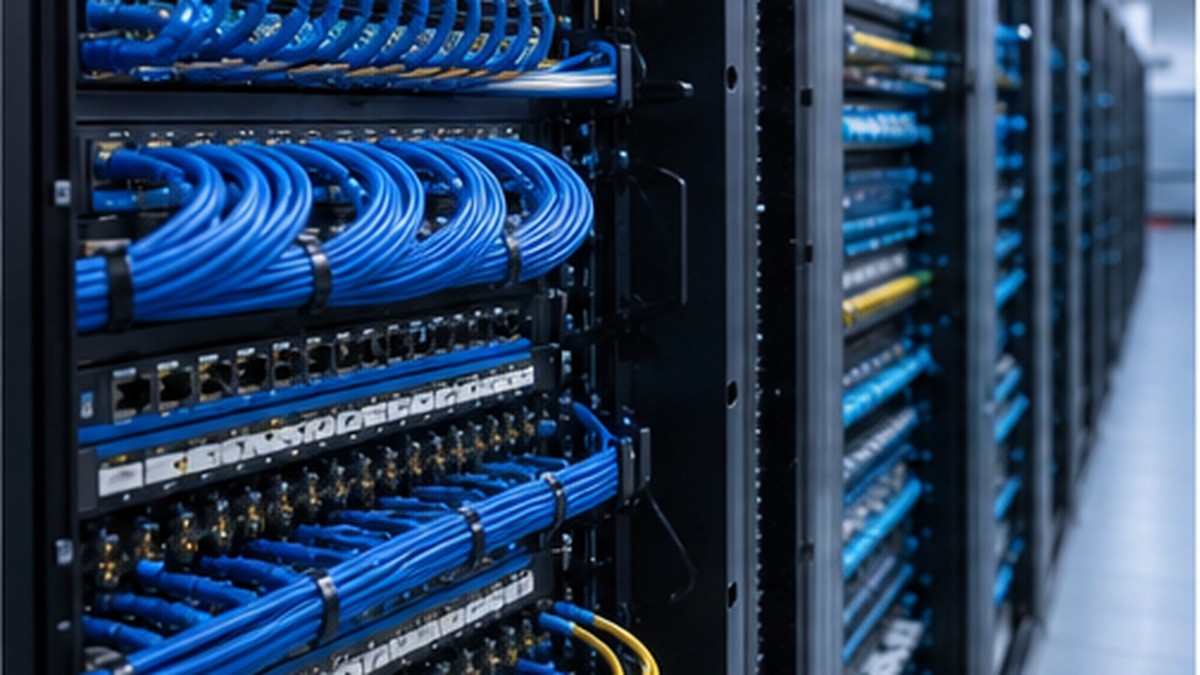
Vietnam's digital infrastructure strategy is moving connectivity from a telecommunications issue to a wider industrial and economic priority. The national programme covers fixed broadband, 5G, international cable routes, data centres, cloud infrastructure and the physical systems needed to connect factories, transport networks and public services.
Fiber and 5G form the connectivity layer
Decision No. 1132/QD-TTg, approved in October 2024, set targets for extending fiber access to households and 5G services across provinces, cities, industrial parks, high-tech zones, research centres, stations, ports and international airports. Looking toward 2030, the strategy calls for 5G coverage reaching 99% of the population and continued improvement in broadband quality.
These goals are significant for the optical fiber value chain because network coverage depends on more than radio equipment. Backbone, metro, access and in-building networks require fiber cable, ducts, closures, connectors, cabinets, testing systems and installation expertise. Industrial and transport environments also bring requirements for mechanical protection, fire performance and network resilience.
International routes and data centres
The strategy established targets for new international submarine cable routes and envisages six additional routes by 2030. It also promotes hyperscale data centres, AI-supporting facilities, edge data centres and regional digital hubs. These are policy objectives rather than confirmation that every facility has already been completed.
For suppliers, this creates multiple but distinct markets. Long-haul and submarine networks prioritize capacity, durability and repair planning; data centres prioritize density, low loss, installation quality and uptime; industrial networks require robust products suited to demanding operating conditions.
Connecting digital and physical infrastructure
The government strategy also promotes physical-digital infrastructure in transportation, health care, education, manufacturing, agriculture and tourism. This widens the relevance of optical fiber and communication cable beyond traditional telecom operators. System integrators, contractors, equipment manufacturers and project owners increasingly need coordinated solutions covering connectivity, power, sensing, control and cybersecurity.
Vietnam's direction is clear: digital infrastructure is intended to support competitiveness and economic modernization. For the cable and optical fiber sector, the opportunity lies in providing reliable products and engineering support that can translate national connectivity targets into operational networks.
Sources
This article is based on the Vietnam Ministry of Information and Communications summary of the Digital Infrastructure Strategy and the government programme encouraging private participation in digital infrastructure.
Prepare for Vietnam 2026
Complete visitor registration and review the current exhibitor directory before planning booth meetings.