Connecting the Islands: Philippines Fiber Backbone and Broadband Market
Investment in national backbone, middle-mile and last-mile connectivity is opening a larger conversation about resilient fiber networks, installation quality and inclusive digital infrastructure.
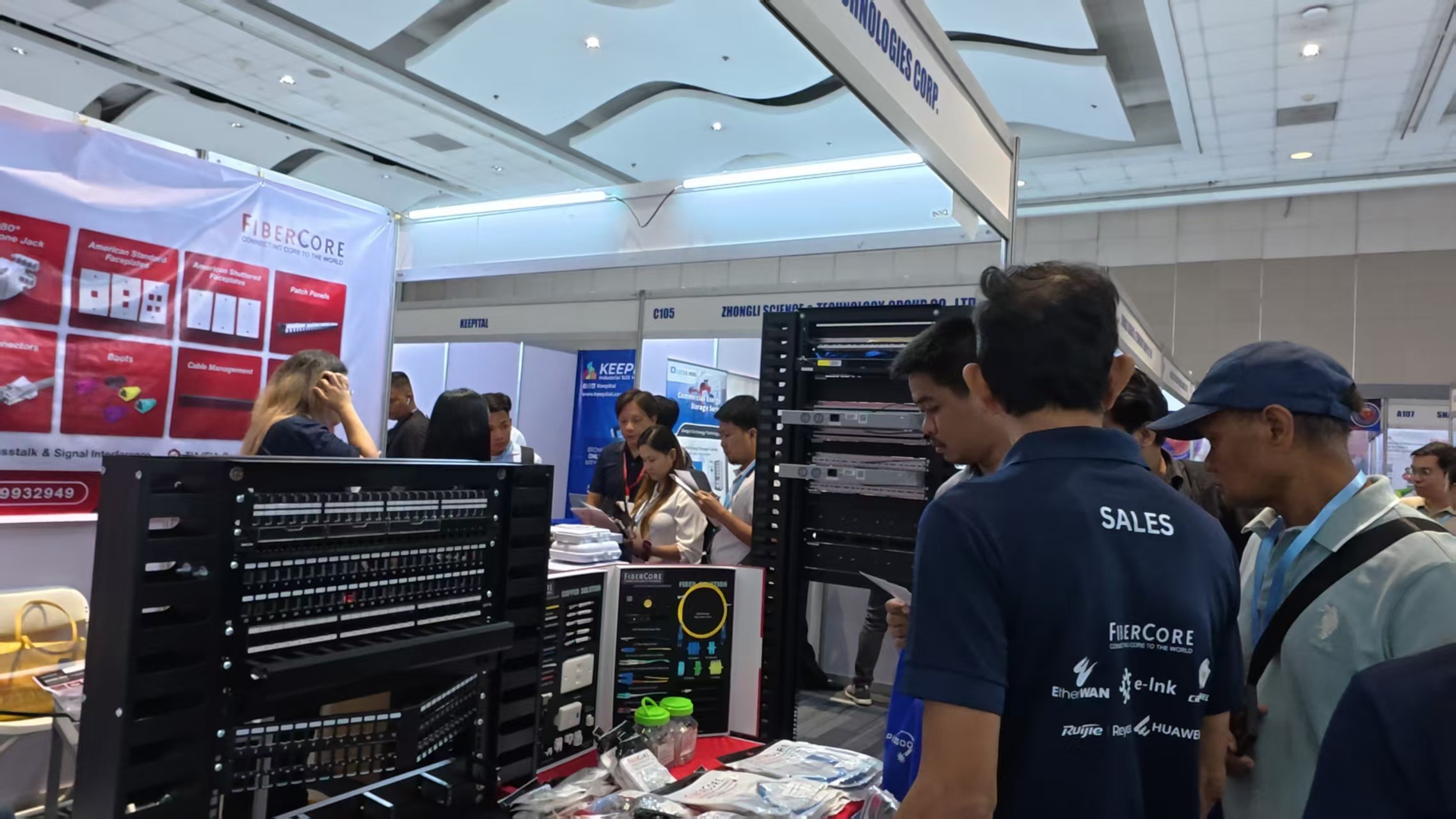
The Philippines Digital Infrastructure Project, approved with World Bank support in October 2024, is designed to strengthen the government fiber backbone and extend connectivity to underserved areas. The program covers backbone, middle-mile and last-mile infrastructure while incorporating cybersecurity and climate resilience.
Backbone and middle-mile networks
The World Bank describes a national fiber backbone linking major regions and international landing locations, supported by middle-mile connections reaching communities outside the strongest commercial markets. This creates requirements beyond the optical cable itself: ducts, closures, connectors, cabinets, test equipment, power systems, network monitoring and reliable field installation all contribute to service quality.
Resilience is part of the specification
Philippine networks must be designed for typhoons, flooding, difficult terrain and geographically dispersed islands. The project framework emphasizes climate-resilient materials, protected underground routes where appropriate, stronger above-ground structures and secure network operation.
Where suppliers can contribute
- Backbone, metro and access optical fiber cable.
- FTTH and FTTx connectivity systems.
- Splicing, termination and optical distribution products.
- OTDR, inspection and certification testing equipment.
- Climate-resilient ducts, closures and route-protection systems.
- Structured cabling, data center and network infrastructure.