Powering Boracay: XLPE, Underground and Submarine Cable for a Resilient Island Grid
The Nabas-Caticlan-Boracay program illustrates how cable selection, installation planning and environmental resilience come together in complex island power projects.
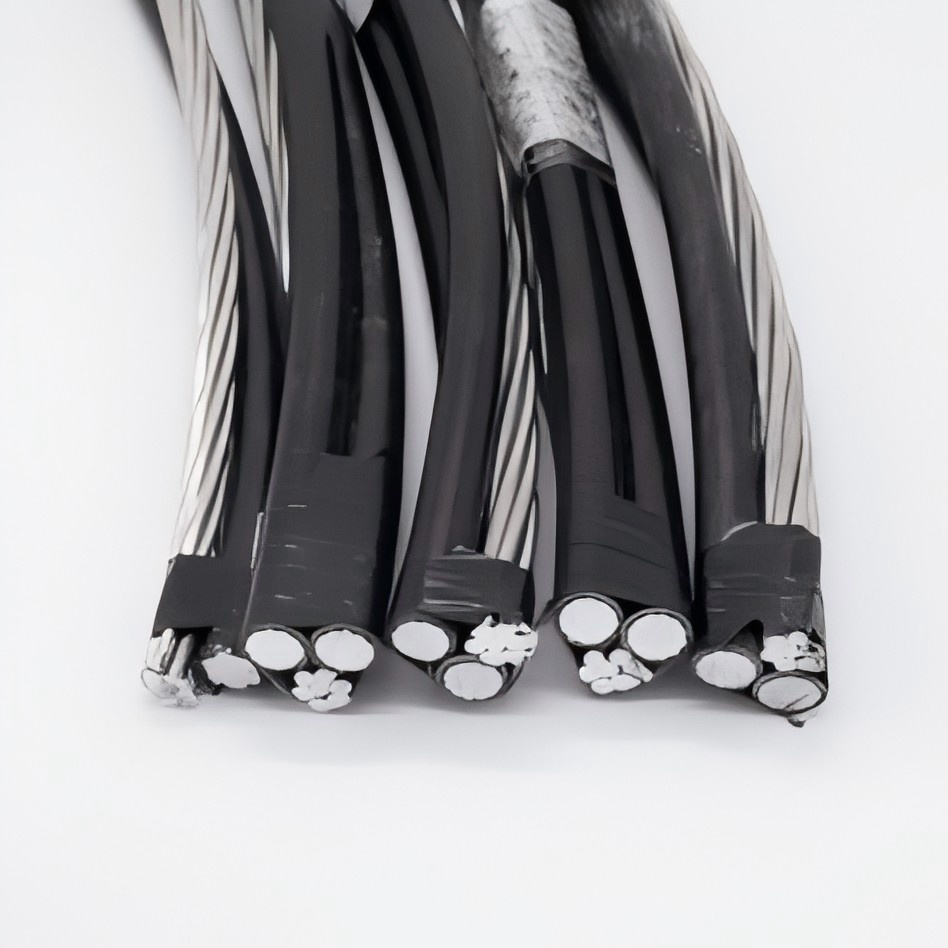
In April 2026, the Philippine Department of Energy reported substantial progress on the Nabas-Caticlan-Boracay Transmission Line Project. The program combines substations, overhead lines, underground routes and a cable connection serving Boracay and Aklan. Earlier in February, NGCP confirmed energization of a replacement 69 kV XLPE underground cable on the Unidos-Caticlan route.
A real-world cable engineering case
The project highlights conditions familiar to suppliers working in island and coastal markets: salt exposure, high tides, severe weather, limited installation windows and the need to reduce disruption to airports, tourism and local business. These constraints influence conductor design, insulation systems, corrosion protection, joints, sealing ends, route protection and maintenance strategy.
Technologies across one network
- XLPE cable for reliable underground transmission.
- Underground cable sections where overhead routing is constrained.
- Submarine cable and transition facilities for island connection.
- GIS substations and protection systems for compact, resilient operation.
- Testing and condition assessment throughout installation and service.
Reading project progress carefully
The figures cited by the DOE describe the status reported during its April 2026 inspection. Because infrastructure schedules can change, this article does not present the earlier target date as confirmation of final completion. Readers should consult the project owners for the latest operational status.